Empowering Futures: The Ultimate Guide to Career Planning for High School Students
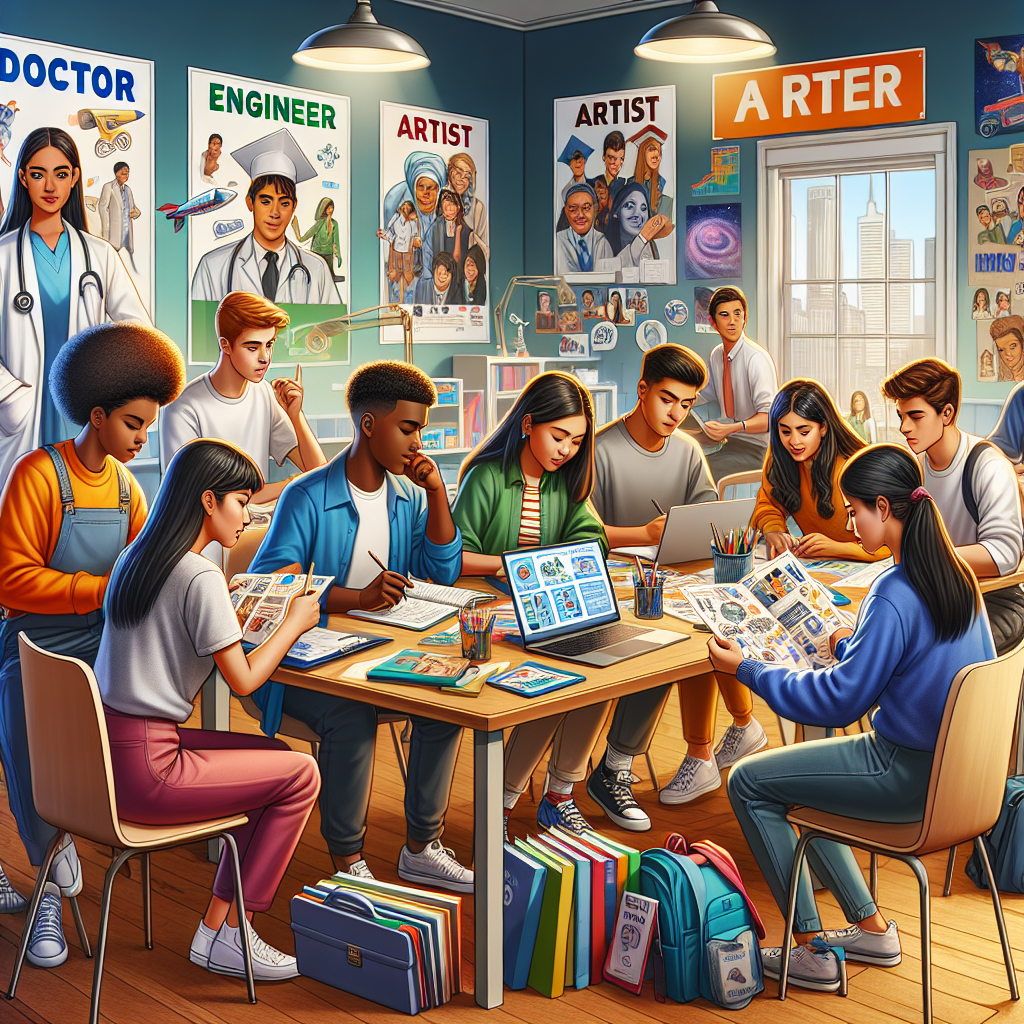
Career planning for high school students is a pivotal process, influencing academic choices, personal development, and lifelong satisfaction. With the right guidance and resources, teenagers can discover their passions, understand the job market, and set realistic goals. This article dives deep into the various tools, strategies, and support systems that foster effective career exploration and decision-making during the high school years.

Why Start Career Planning in High School?
- Early awareness: Identifying interests and strengths helps students select relevant courses and activities.
- Informed decisions: Exploring multiple career options before graduation prevents impulsive choices later on.
- Skill development: Specific planning fosters both academic and soft skills, increasing employability.
- Reduced anxiety: Having a plan provides clarity, reducing stress about the future.
Key Resources for Effective Career Exploration
There are countless resources available to assist high schoolers in their career journeys. Here we highlight some of the most valuable tools and support networks:
-
School Counseling Services:
Most high schools offer guidance counselors equipped with career assessment tools, college planning workshops, and individual counseling sessions. -
Personality and Aptitude Tests:
Tools like the Myers-Briggs Type Indicator, Holland Codes test, and StrengthsFinder help students match their traits with compatible career options. -
Career Assessments and Exploration Platforms:
Software such as Naviance, CareerOneStop, or O*NET Interest Profiler can offer self-assessments, career pathway explorations, and even local labor market trends. -
Job Shadowing and Internships:
Real-world experiences provide valuable insights into workplace environments, responsibilities, and expectations. -
Mentorship Programs:
Pair students with professionals or alumni from their chosen fields for advice, networking, and skill-building. -
Extracurricular Activities:
Activities like debate club, school newspaper, and volunteering nurture teamwork, leadership, and communication abilities prized by employers. -
College and Career Fairs:
These events bring together students, educators, and employers for networking, application workshops, and exposure to a range of professions.

Five Essential Steps to Career Planning for High School Students
- Self-Discovery: Encourage reflection on personal strengths, interests, values, and goals.
- Research: Investigate industries, required qualifications, potential earnings, and career outlook.
- Skill Development: Participate in academic and non-academic opportunities to build relevant competencies.
- Networking: Connect with counselors, teachers, mentors, and peers to learn from their experiences.
- Goal Setting & Action Planning: Draft both short-term and long-term academic and career objectives, followed by actionable steps.
Building College and Career Readiness
Career readiness is not just about choosing a profession; it’s about acquiring practical skills, personal confidence, and adaptability. High school resources such as career guidance programs, college prep workshops, and skill-building activities encourage students to prepare for higher education and workforce training. Participating in mock interviews, resume writing sessions, and job fairs also significantly improves college and career success rates.
The Role of Parents and Educators as Support Resources
Parental support and teacher involvement are key in guiding students through their career planning journey. Parents can provide encouragement, share their own professional experiences, and help their children research occupations. Teachers and educators, meanwhile, can introduce career research projects, bring in guest speakers, and incorporate soft skill development into their curricula.
Leveraging Technology for Career Planning
Online job search platforms, career assessment apps, and digital portfolios allow students to showcase their abilities and investigate emerging fields. Exploring career exploration tools online broadens students’ perspectives and helps them adapt to the ever-changing job market.
Common Obstacles in Career Planning for Teenagers
- Lack of information: Difficulties finding reliable, up-to-date labor market data.
- Overwhelm and indecision: Many students feel overwhelmed by the variety of choices.
- Parental pressure: Sometimes parental expectations clash with personal interests and strengths.
- Limited access: Some students face barriers to internships, extracurriculars, or mentorships due to geography or resources.
Tips for Successful High School Career Planning
- Set aside time each semester to reflect on personal progress and adjust strategies as needed.
- Meet regularly with school counselors or career advisors.
- Stay open-minded and flexible; new interests or career paths may emerge over time.
- Document skills and accomplishments through portfolios or resumes, even before graduation.
- Use local community organizations or libraries for additional workshops and support.

Conclusion: Investing in Career Planning is Investing in Success
High school is not too early to start thinking about your future. By utilizing a variety of career planning resources, developing self-awareness, and working closely with supportive adults, students can take confident steps toward meaningful college and career choices. Today’s proactive planning can lead to tomorrow’s fulfilling achievements.